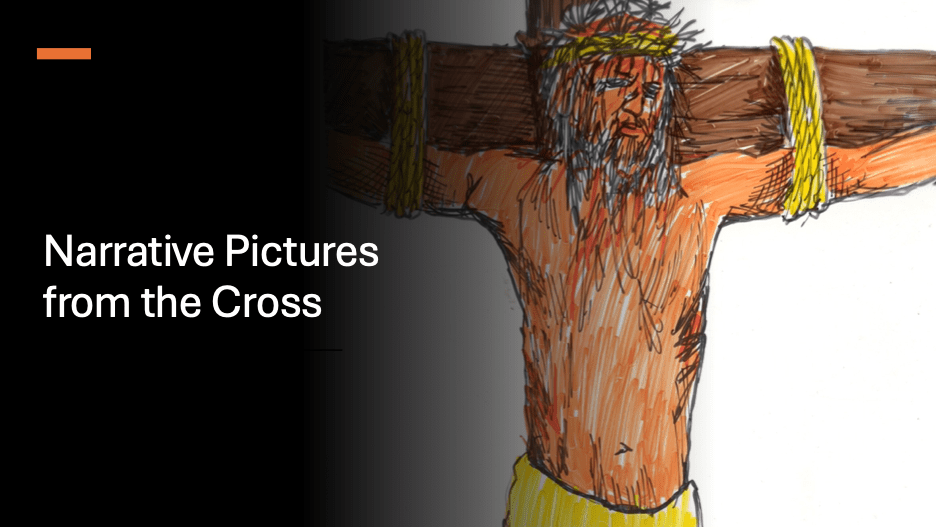
Introduction
When we’re reading the Scriptures, there is a sense that anyone might comprehend on the surface. For instance, these statements are true on their face:
- On the cross, Jesus was naked;
- On the cross, Jesus said, “I thirst;”
- Jesus wore a crown of thorns;
- The people asked Pilate to release Barabbas and not Jesus;
- Jesus was placed in Joseph of Arimathea’s tomb.
However, for those familiar with the Scriptures, these narrative statements may have additional meaning.
For instance, in a non-theological setting, how many of you know who Paul McCartney is?
Is there anyone here who does not know who he is? Before he launched his solo career, he was in a band. Does anyone know the name of that band? Yes, the Beatles!
Is there anyone here who has never heard of the Beatles? If you don’t know, they were a very famous band in the 1960s. Almost 20 years ago while I was teaching at Southeastern Bible College, I asked my class if they knew the names of the Beatles. No one could name all four of them. But if you grew up with the Beatles, you could not only name them—Paul, George, John, and Ringo—but you could identify them on sight; knew what instruments each person played and could instantly tell who was singing lead vocal on a song.
For instance, Paul McCartney, played bass guitar, and not just any bass guitar; he played a Hofner bass, that was shaped like an oversized violin. Do you see it in this picture? This next picture contains a publicity shot of the Beatles, and you can better see Paul’s Hofner bass on the left.
So, in the early 2000s, Lynn and I went to see Paul McCartney live in Columbus, Ohio. This was about 40 years after the Beatles broke up. As we were walking into the arena, I said to Lynn: “I wonder if Paul will play his Hofner bass tonight?” We found our seats, and just before the concert was to begin, an image like this was posted on a giant backdrop screen.
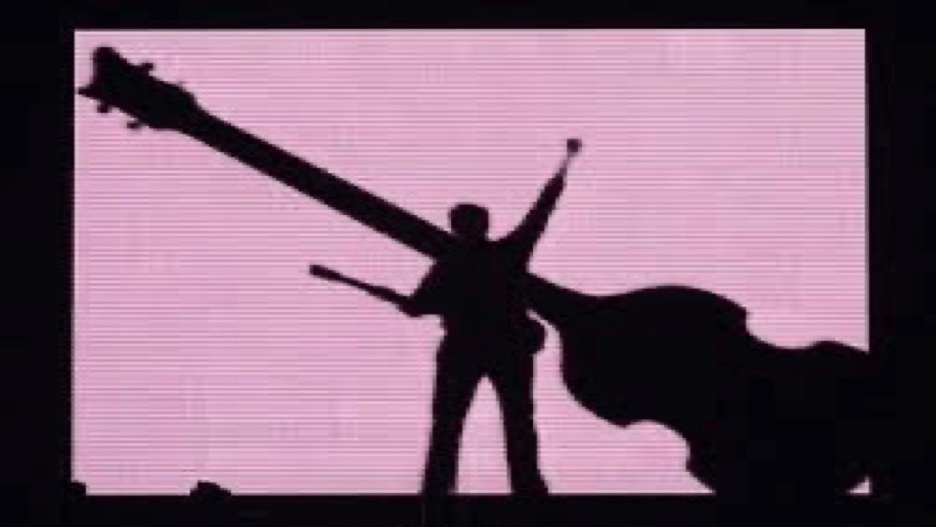
And the auditorium went wild because it was full of Beatle fans. We’re all standing on our feet screaming, cheering, and applauding! The stadium was roaring!
If you didn’t grow up with the Beatles, you’d be saying, “What’s going on? That’s just a guitar.” But most of us knew our Beatle history, and by showing just a silhouette of a Hofner bass, we knew we were going to be in the same room with The Beatle, Paul McCartney!
Transition
For those with understanding, images can say more than the facts evident on the surface. I’m not denying the surface meaning but am saying that some images have a history of meaning that deeply resonates with those who understand the imagery. And I believe this is true in the Gospel narratives.
The Message
When you’re reading the letters of someone, like the Apostle Paul, they tell you their meaning. For instance, Paul directly tells us that on the cross, Jesus was our substitute for sin when he says:
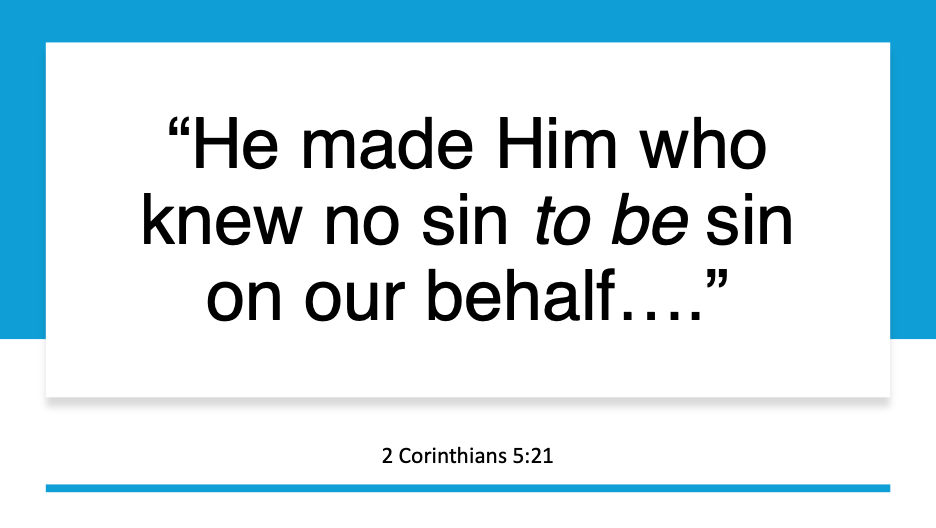
Narratives like the Gospels include teaching sections that are direct, but they also include narratives that show you their theology rather than tell you their theology.

The Gospels will not always tell you that Jesus was our substitute for sin. Instead, they will show that substitution through narrative pictures.
Naked on the Cross
The Gospel of John tells us, indirectly, that Jesus was hung naked on the cross as the Roman soldiers cast lots for his garments:
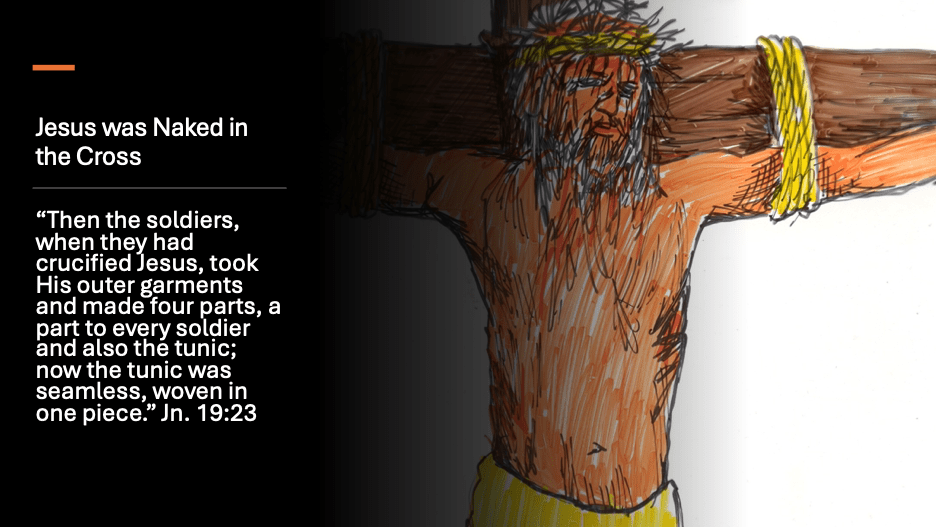
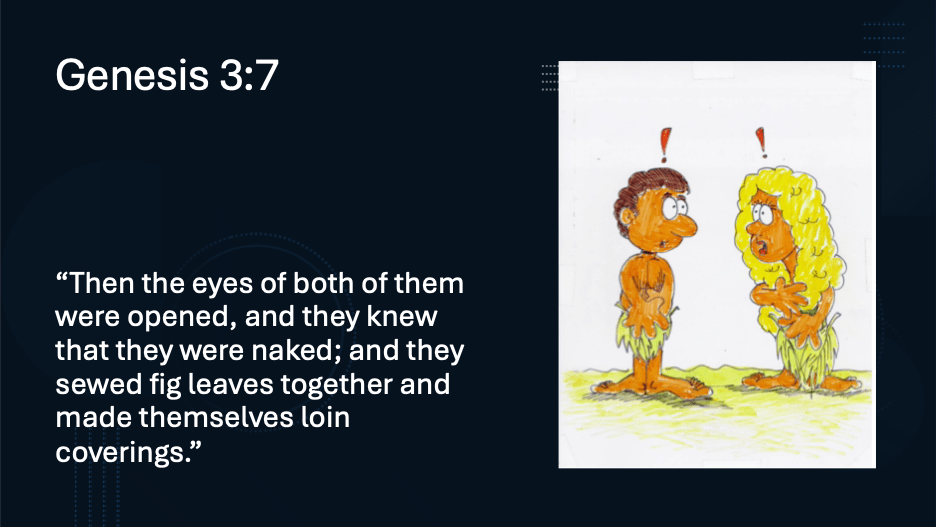
For those who know Genesis, the initial effect of Adam and Eve’s rebellion was an awareness of their nakedness:
This theme resonates after the flood when a recreation is begun, with the hope of Noah, whose name means, “rest.” It was thought that he was going to be the seed of the woman who would crush the head of the seed of the serpent (Gen. 3:15). But the narrative tells us that just as Adam and Eve ate of the tree and were naked, so was it that Noah drank of the fruit of the vine and was found naked in his tent (Genesis 9:20-21).
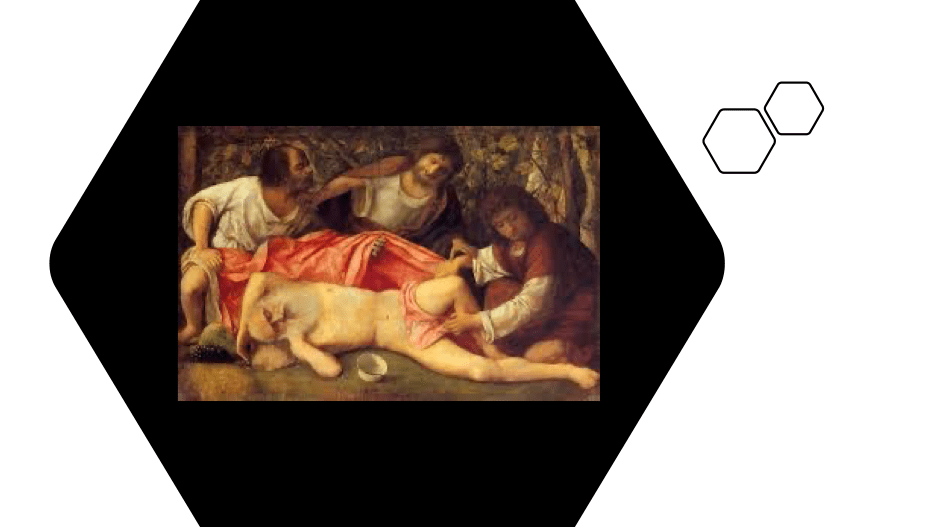
This theme of nakedness repeats itself in other Biblical narratives as well.
So now in the Gospels, Jesus, who did no wrong, is found to be “naked” on the cross.
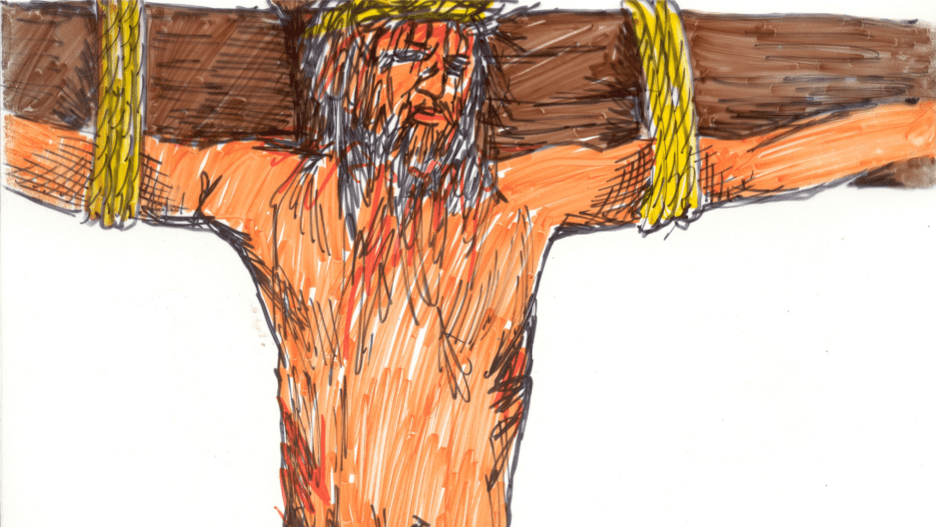
Why? Because he has taken our sin upon him, so he suffers the shame of our sin. “He who knew no sin, became sin.” It is a narrative picture showing us what it meant for Him to bear our sin on the cross as our substitute.
The Crown of Thorns
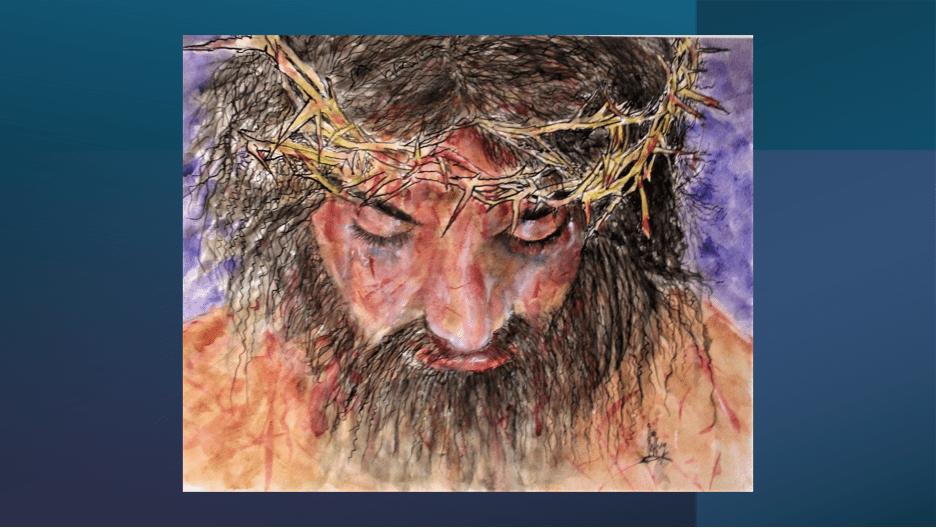
We’re also told in the Gospels, that Jesus wore a crown of thorns:
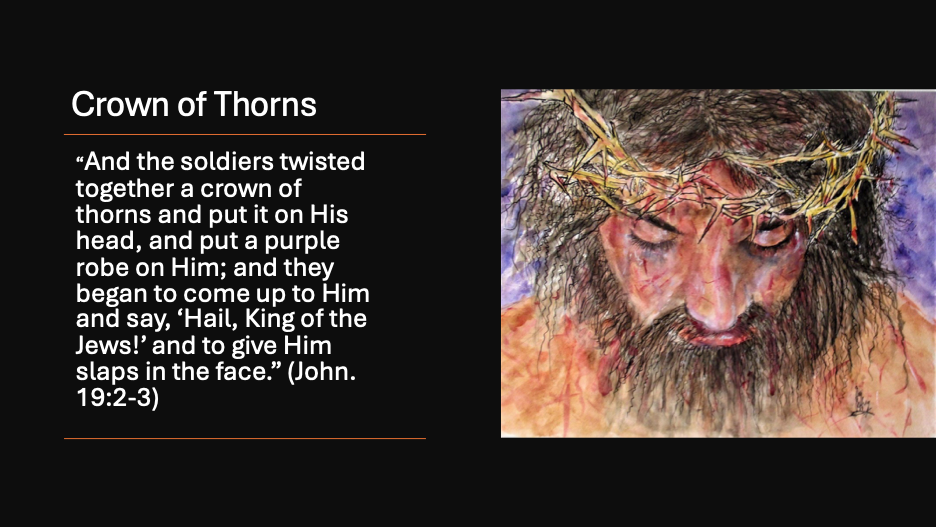
Thorns were part of the curse, in Genesis 3.
And God said, “Cursed is the ground because of you. Thorns and thistles it shall bring forth
Genesis 3:17-18
So, when the Gospel writer places a crown of thorns on Jesus’ head,
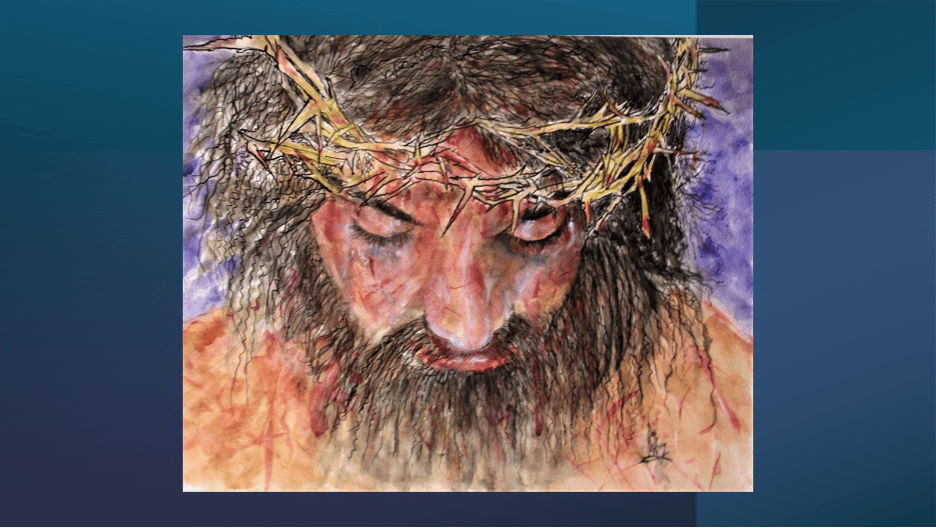
he is showing Him to bear the curse of the fall as our substitute!
I Am Thirsty
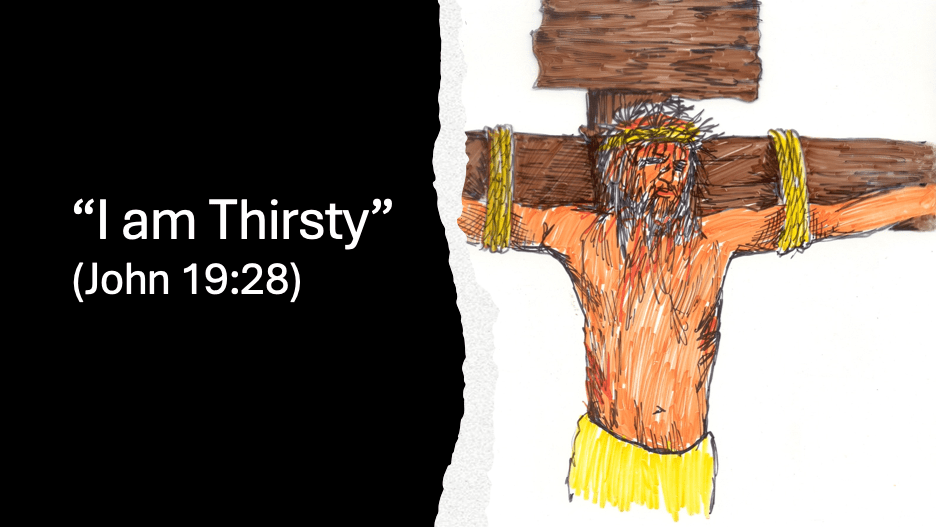
When Jesus says, “I am thirsty,” which is only recorded in the Gospel of John, the reader of the Gospel of John would find this a very surprising statement. Two times in John, Jesus identifies Himself as the source of living water for the woman at the well in John 4, and to all those attending the feast of tabernacles in John 7.
In John 4 he says to the woman at the well:
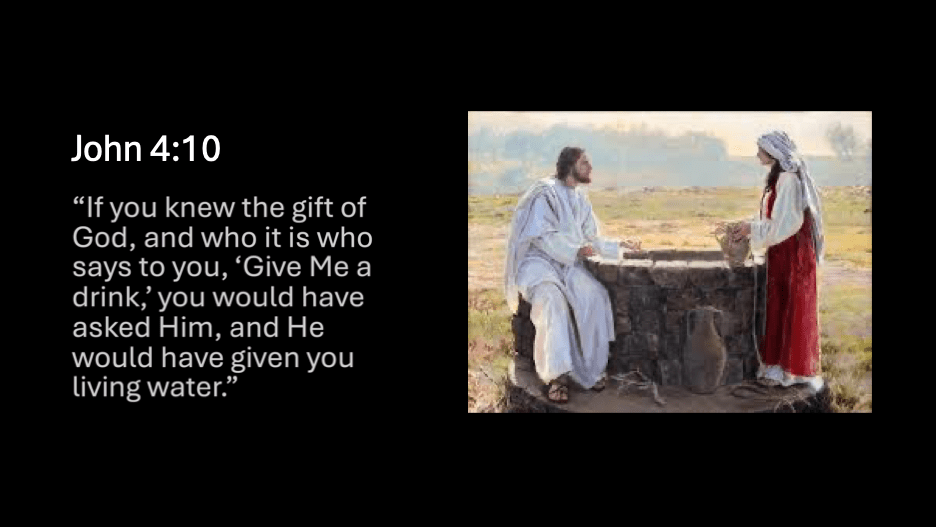
And at the feast of tabernacles, he says:
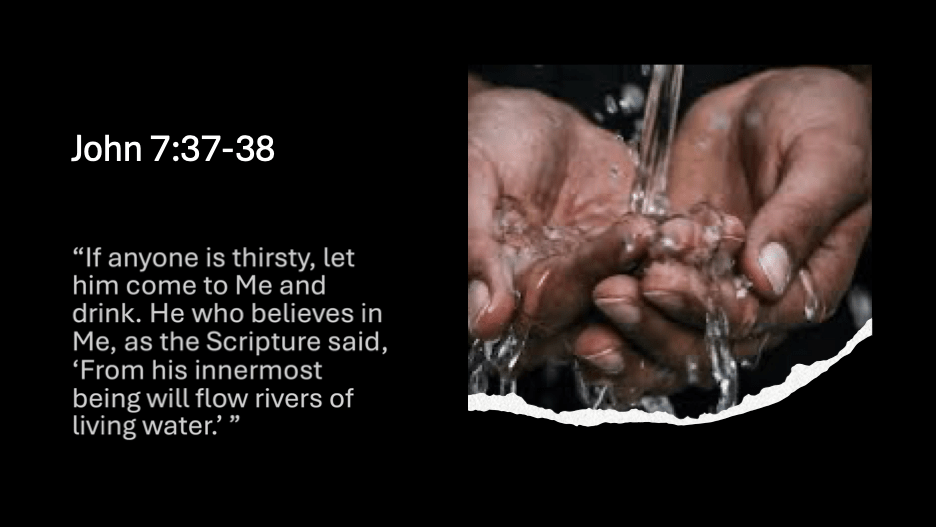
But on the cross Jesus said:
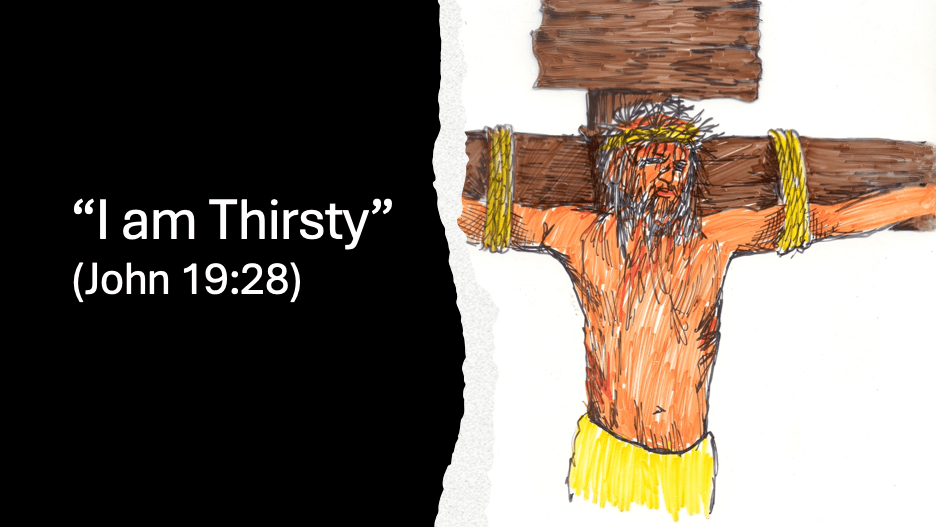
Why is it that the One who offers humankind living water is thirsty on the cross? You might say, because he was thirsty, and that would be true. But in the narrative world of John’s Gospel, the one who can satisfy humanity’s thirst, is thirsty because he has taken upon Himself humanity’s sin, as our substitute!
Barabbas
The Gospel of Luke tells us the following about Barabbas:
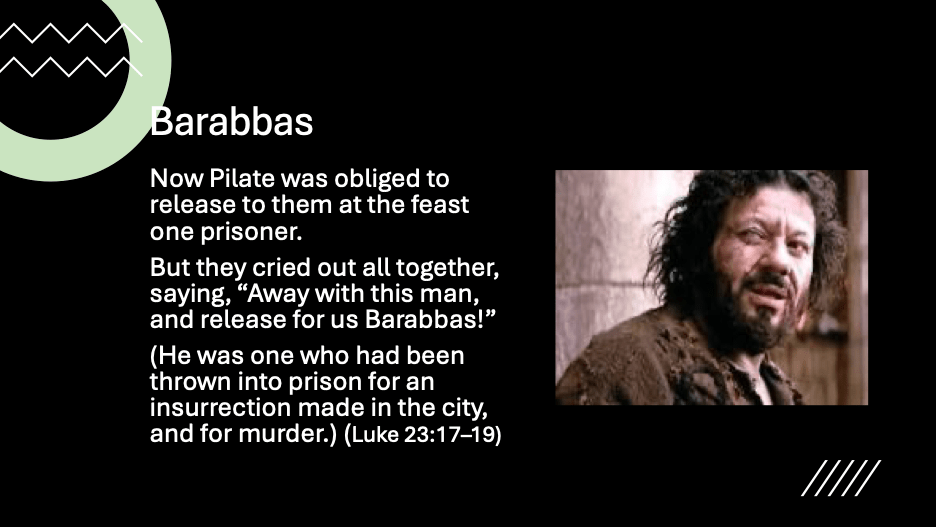
While we may read this as simply an historical statement of what occurred (and I’m not denying that it occurred), we have to ask ourselves, “What is the author doing with what he is saying?” I think he is playing off words to make a theological statement by comparing Jesus and Barabbas. In fact, in Matthew’s Gospel, there is a textual variant that calls Barabbas, “Jesus the Barabbas.” “Whom to you want me to release to you? Jesus the Barabbas, or Jesus who is called Christ?” (Matt. 27:15).
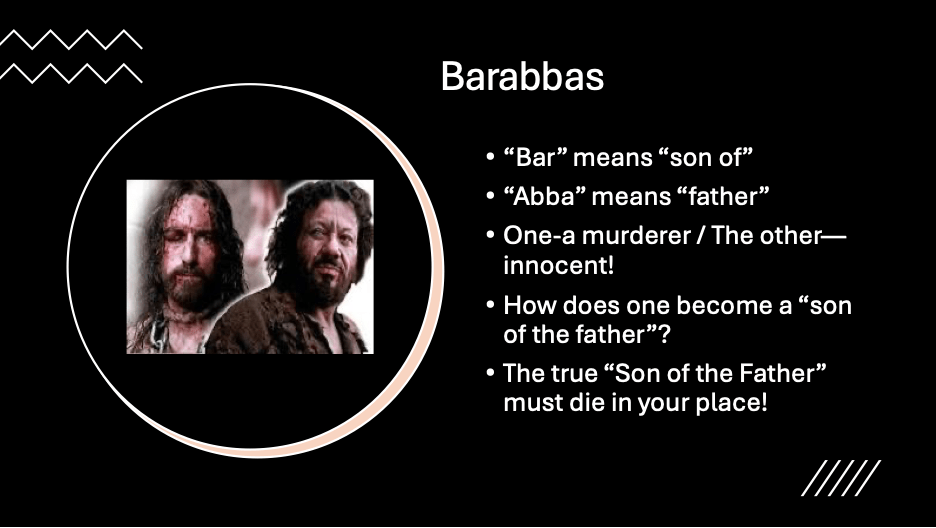
By taking the place of Barabbas on the cross, Jesus is shown to be our substitute!
The Tomb
Finally, we’re told about where Jesus was placed after he was taken down from the cross:
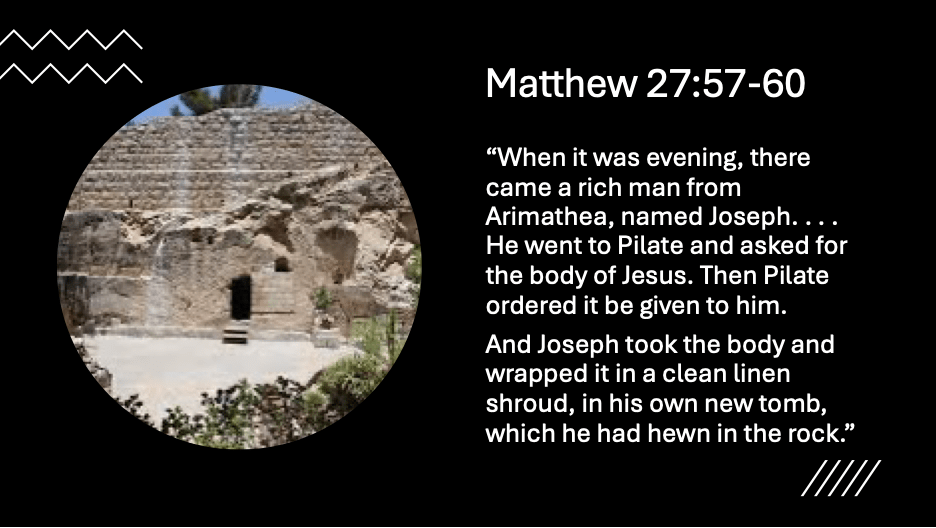
Again, you can say, this is Matthew’s historical account of what occurred, and I would agree. But Matthew tells us something that the other Gospel writers do not—that Joseph placed the body of Jesus in his tomb. By saying this, he has provided us another picture of substitution.
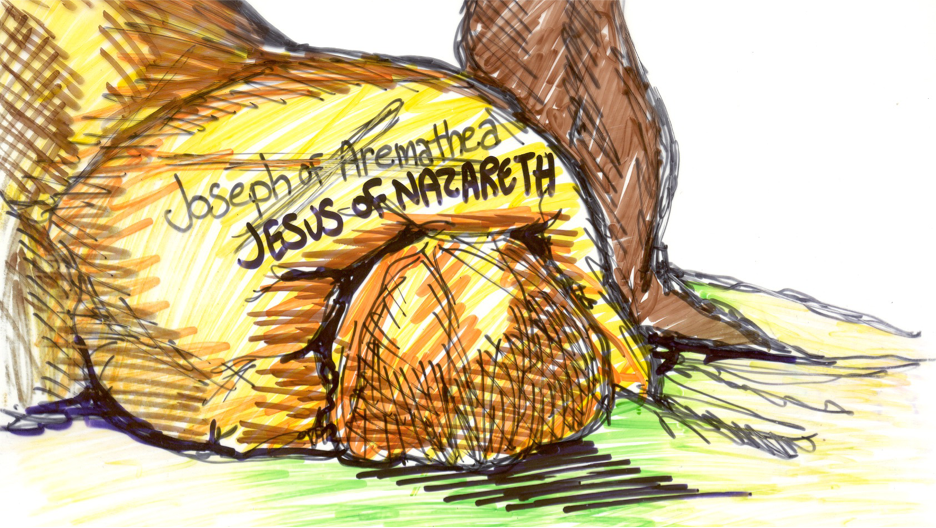
The tomb that once belonged to Joseph of Arimathea became the tomb of Jesus. In other words, Jesus became his substitute when he was laid in Joseph’s tomb!
Conclusion
By providing us these narrative pictures of substitution from the cross, the biblical writers are stirring, in an emotional way, what we understanding – like Paul McCartney waiving his Hofner bass guitar from behind a screen. God not only wants to speak to our minds; He wants to touch our hearts with his message.
 All Things Biblical
Leave a comment