
(2 Chron. 4:19-20; Rev. 1:12-13, 20; 2:1-7)
Introduction
Often when my daughter and I would ride in the car, we would play word games. I would say, “Look at that apalea.” She’d say, “Daddy, that’s an azalea not an apalea.” I’d say, “That’s what I said, look at that amalea.” She’d say, “Daddy, No! That’s an azalea, not an amalea.”

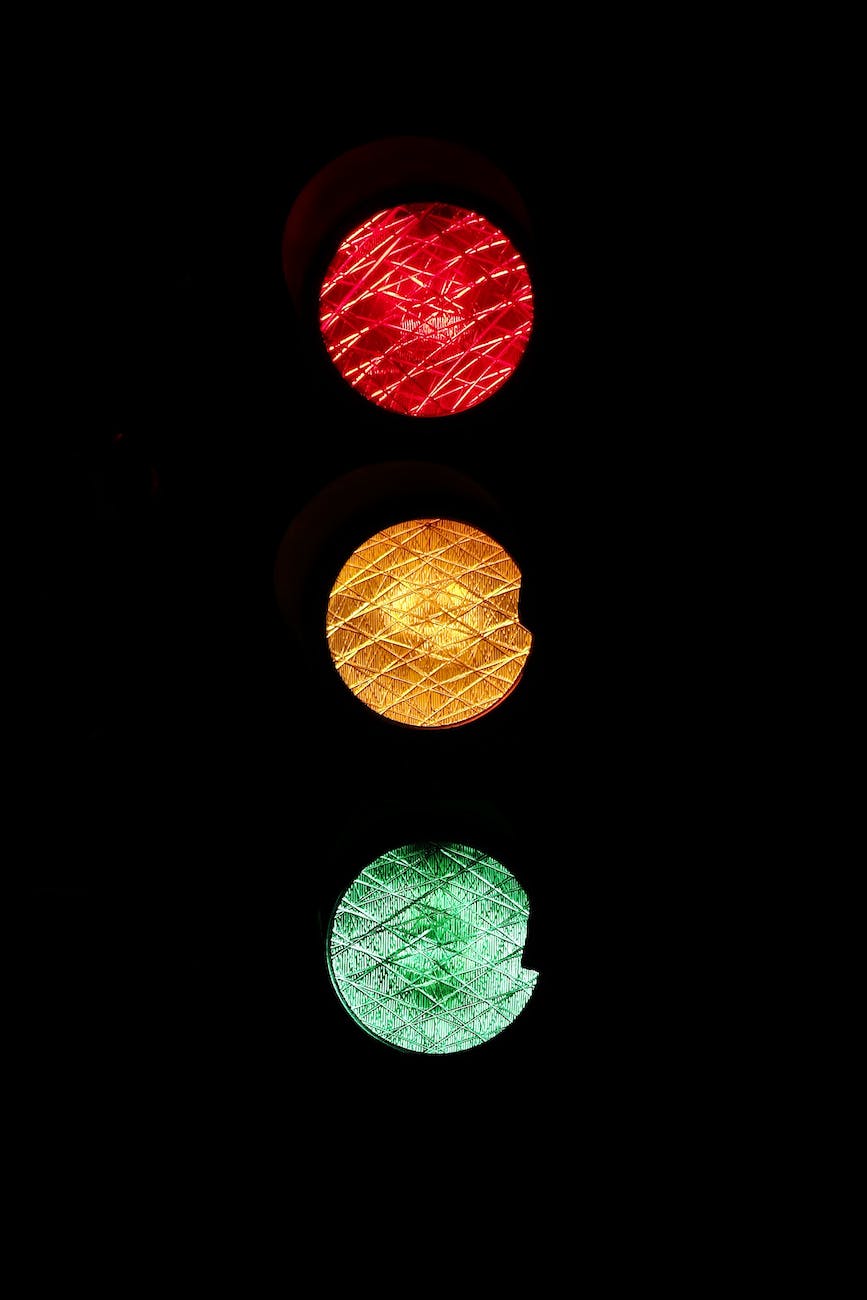
One day we were driving and came upon a traffic light. I said, “Hana, what does red mean?” She said, “Stop, Daddy.” I said, “That’s right. What does green mean?” She said, “Go, Daddy.” I said that’s right. What does yellow mean?” She said, “Faster, Daddy.” (pause). Like you, I laughed, but as we all know it was an indictment of me. In her innocence, she saw what I did . . . and that was the opposite of the meaning of a caution light. Something in me was misaligned.
The Lampstand in the Old Testament
In Exodus 25:31-40 we are given prescriptions for the creation of a lampstand, or menorah (in Hebrew). It was to reveal God as light in His earthly home, the tabernacle. Like a light in our homes, it told the Israelites that He was home. Its form and function was also symbolic to the people of Israel who could see it from the entrance of the tent.
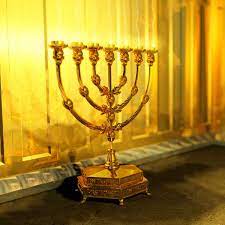
- The lampstand was shaped like a tree, perhaps suggesting the tree of life in the Garden.
- It had seven lamps, perhaps suggesting the completion of creation.
- Its cups were shaped like “almond blossoms” perhaps suggesting the hope of new life because the almond tree was the first to flower in the land of Israel.
- And it was to cast light for those working in the temple. The light didn’t shine behind the menorah into the holy of holies, but in front of it into the holy place where the priests ministered.
So, the lampstand was clearly saying something about God and what he was doing for His people.
Solomon thought it was so significant, that he placed ten lampstands in the newly constructed temple—five on each side of the holy place (1 Ki. 7:49; 2 Chron 4:7).
But as beautiful and significant as Solomon’s temple was, something was wrong with Solomon. He had all the appearances of faith as God’s anointed king, the builder of the temple, the writer of Scripture, and the expander of Israel’s borders, but, unlike his father David, his heart strayed from God. Consequently, upon his death, the kingdom divided, warred with each other, and was taken into captivity. The effects of Solomon’s misalignment were disastrous.
Lampstands in the Church
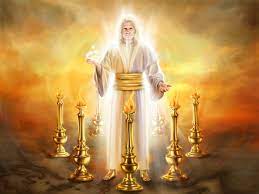
I think the concern about personal misalignment is carried over to the churches in the book of Revelation. In chapter 1, Christ is described as standing amid seven golden lampstands (Rev. 1:12-13). Clearly, these lampstands are an allusion to the menorah in Exodus, however, here, the center is not the central lampstand, but Christ himself, and it appears that the lampstands are surrounding Him. John then explains that the seven lampstands are the seven churches who will be addressed in Revelation 2—3 (Rev. 1:20). These churches were light in the world but struggling, and Christ was in their midst upholding them.
The problem was, these churches could be misaligned with the Lord, just as Solomon was. They could do very good things for the Lord, and yet miss the heart of what their faith required of them. And the consequences could be disastrous.
Let’s hear the letter to the church in Ephesus (Rev. 2:1-7):
“To the messenger of the church in Ephesus write: The One who holds the seven stars in His right hand, the One who walks among the seven golden lampstands, says this:
‘I know your deeds and your toil and perseverance, and that you cannot tolerate evil men, and you put to the test those who call themselves apostles, and they are not, and you found them to be false; and you have perseverance and have endured for My name’s sake, and have not grown weary.
‘But I have this against you, that you have left your first love.
‘Therefore remember from where you have fallen, and repent and do the deeds you did at first; or else I am coming to you and will remove your lampstand out of its place—unless you repent.”
Obviously, this is a concern for the church. We may love orthodoxy, but if we do not love God or other people, something is seriously misaligned. And when that happens, God threatens to remove His light.
I often think of this when Pastor Bart and I run into Crestline Village on Saturday mornings. There is a church there that is now the home of a dance studio and an orthodontist. The light in that building has gone out.
In light of this, here are some suggested areas for prayer:
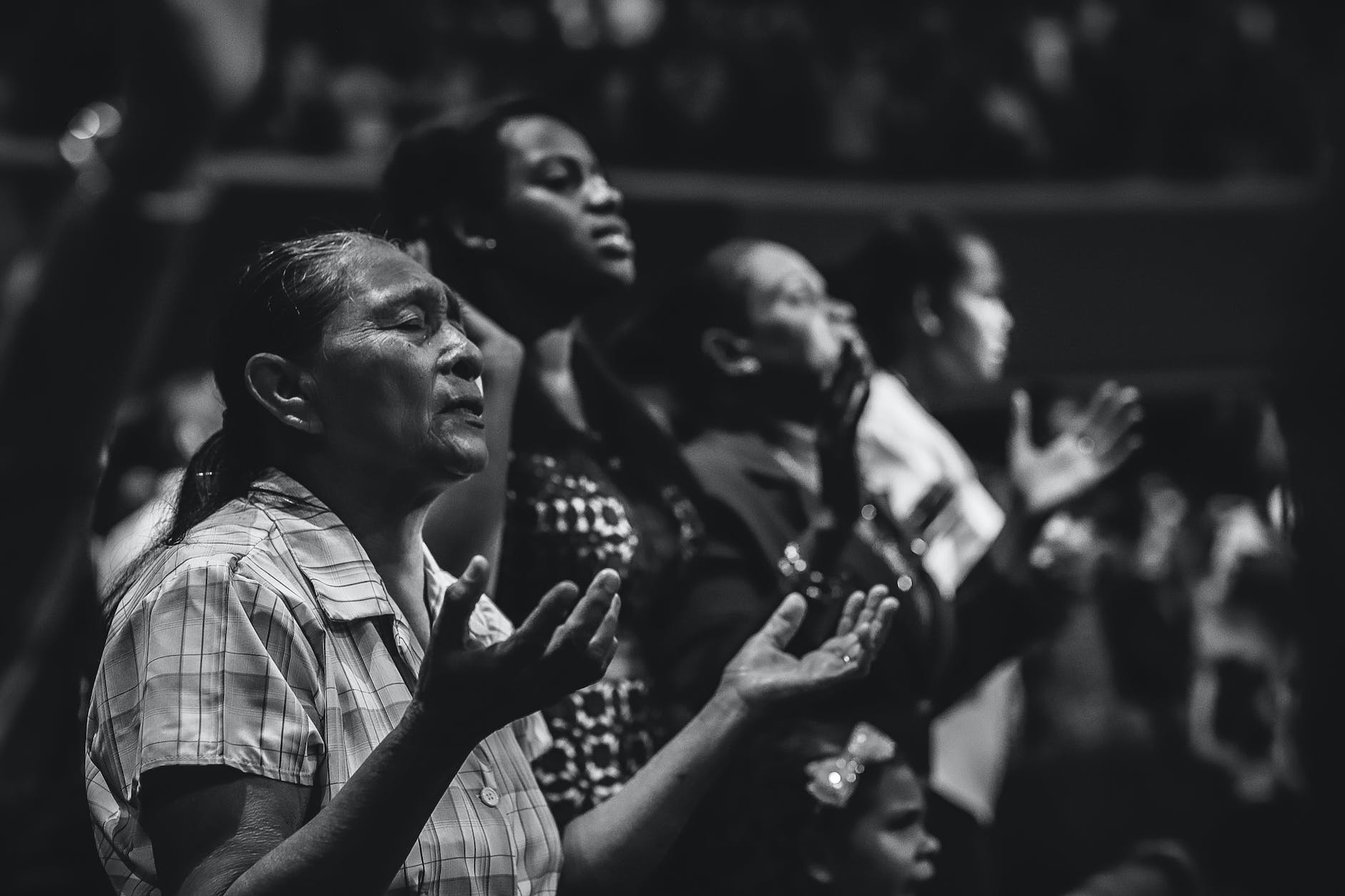
- Thank Christ that we as His people have an opportunity to share in His light to the world.
- Ask God to continually reveal those areas where we as individuals, and as His church, are out of alignment with Him.
- Let’s repent over our misalignments, so that God will continue to use us as light reflecting His presence in a dark world.

 All Things Biblical
Leave a comment