
INTRODUCTION
Happy Fourth-of-July Weekend! This greeting means something for those of us in the United States, and perhaps in England. Someone from England once said to me: “You call it Independence Day; we call Insurrection Day.” But the Fourth-of-July does not resonate with those from other countries. One of the things I have always appreciated about Fullness is its international focus. You’ll notice that there is not a United States flag on the podium, but if you look up and behind you to the balcony, there are multiple flags displayed, including the U.S. flag. As a church, we understand that the gospel message is for all people in every nation.
That said, I do not think we are precluded from also recognizing the times in our country, and with your grace, I’d like to do just that for a moment. Today, July 3rd marked a turning point in the American Civil War when General Meade defeated General Lee at Gettysburg, Pennsylvania in 1863.
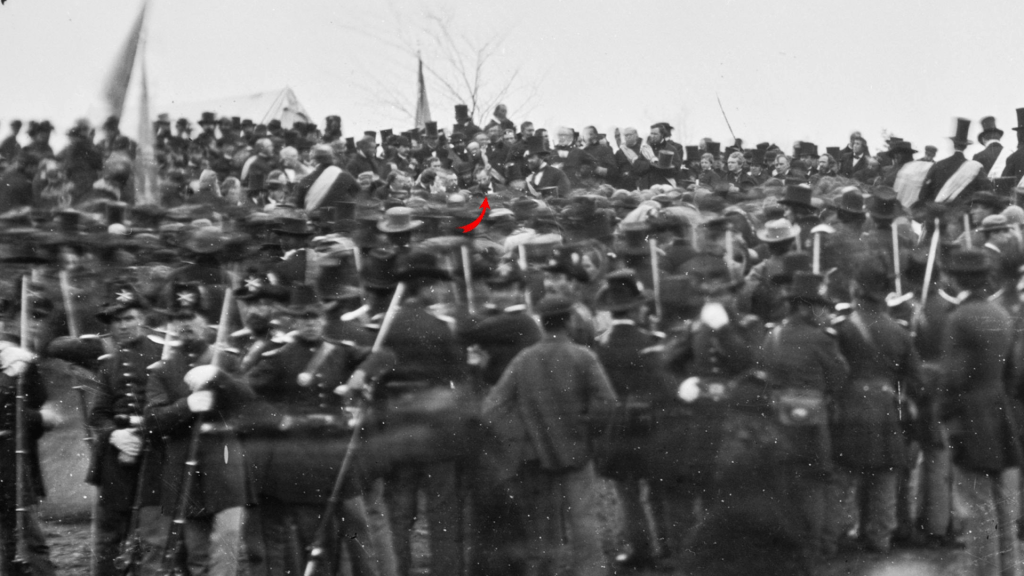
Now, I know I’m a born Yankee, speaking in a southern church, just 90 miles from the initial capital of the confederacy in Montgomery, Alabama. I also know that Alabama was part of seven states that seceded from the Union prior to Abraham Lincoln’s first inauguration and the subsequent taking of Fort Sumter. As a nation, we were a “house divided,” and for some, the echoes of that time continue. But it seems to me, and to many others more knowledgeable than me, that Abraham Lincoln was an unusually gifted president during a tumultuous time, so I’d like to mark this Fourth-of-July weekend by repeating the meaningful words he delivered on November 19, 1863, at the dedication of the Solderiers’ National Cemetery for the 23,049 union soldiers who lost their lives in the battle of Gettysburg. This picture was taken moments before he spoke. The red arrow points to him:
Four score and seven years ago our fathers brought forth on this continent, a new nation, conceived in Liberty, and dedicated to the proposition that all men are created equal.
Now we are engaged in a great civil war, testing whether that nation, or any nation so conceived and so dedicated, can long endure. We are met on a great battle-field of that war. We have come to dedicate a portion of that field, as a final resting place for those who here gave their lives that that nation might live. It is altogether fitting and proper that we should do this.
But, in a larger sense, we can not dedicate—we can not consecrate—we can not hallow—this ground. The brave men, living and dead, who struggled here, have consecrated it, far above our poor power to add or detract. The world will little note, nor long remember what we say here, but it can never forget what they did here. It is for us the living, rather, to be dedicated here to the unfinished work which they who fought here have thus far so nobly advanced. It is rather for us to be here dedicated to the great task remaining before us—that from these honored dead we take increased devotion to that cause for which they gave the last full measure of devotion—that we here highly resolve that these dead shall not have died in vain—that this nation, under God, shall have a new birth of freedom—and that government of the people, by the people, for the people, shall not perish from the earth.
Transition
What are the forces that press upon a person to enable someone to speak and lead like President Lincoln? An understanding of the times and the ability to give direction in such a meaningful way does not magically come out of a vacuum.
This morning the Scripture gives us a glimpse into how God may form a leader into a person of understanding. It will not be easy. It will be hard and harder.
Just as Abraham Lincoln was the head of a Union with nearly four million people bound in servitude because of the color of their skin, Nebuchadnezzar was the head of ancient Babylonian with thousands of people enslaved as captives from other lands—Assyria, Israel, and Egypt.
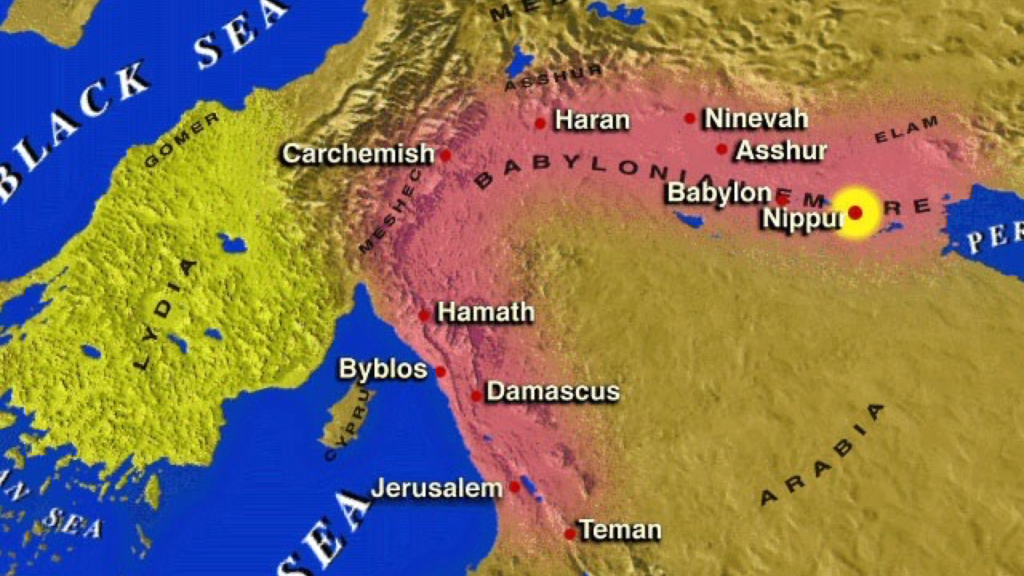
The themes of these slaves were similar.
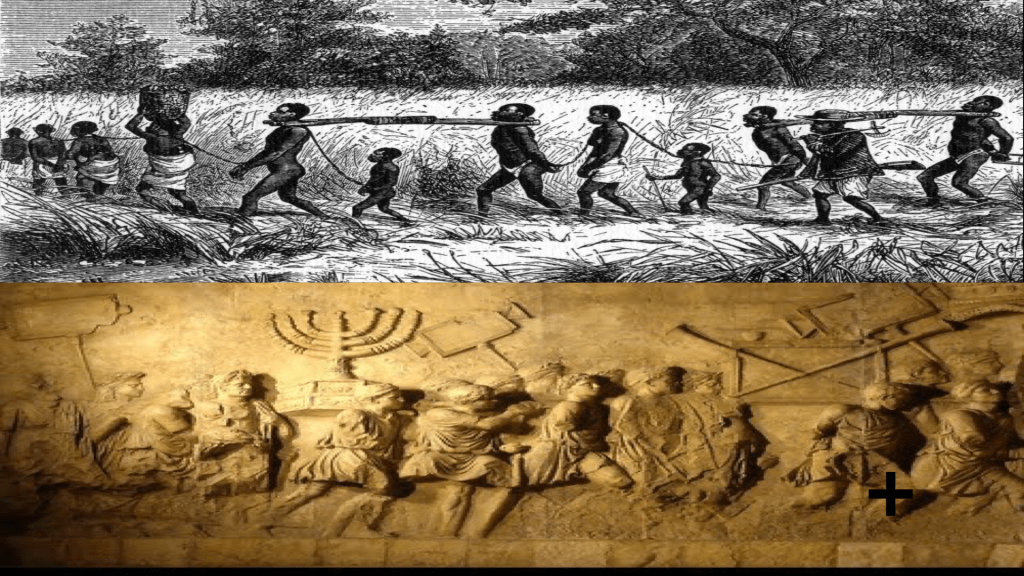
They were uprooted from their homes, held captive by a more-powerful people, often their names were changed, their culture was trampled on, they were victimized, and treated as little more than chattel—property. They longed for, and needed, a leader who understood their plight. Many felt lost in the stars and as if God was nowhere to be found. So, God shows himself strong for everyone’s benefit—for Nebuchadnezzar and for the captives.
An Overview
Daniel chapter 4 is not told in logical or chronological order. It’s similar to watching the new mini-series 1883.

The events included in the first episode, involving Elsa Dutton, occur much later in the timeline of the story, but the audience is allowed to see it upfront because it’s a significant outcome for the main character.
If we were to give letters to the parts of the story in Daniel 4, they might be as follows:
However, when the story is told, it begins with letter D because it shows us a significant outcome for the main character, Nebuchadnezzar.
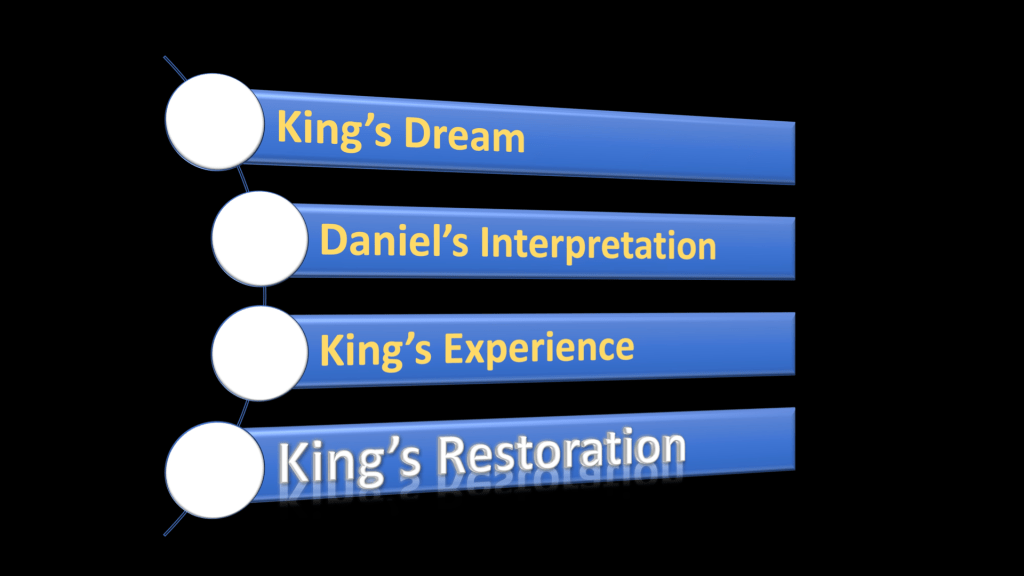
Then we are brought into a full telling of the story:
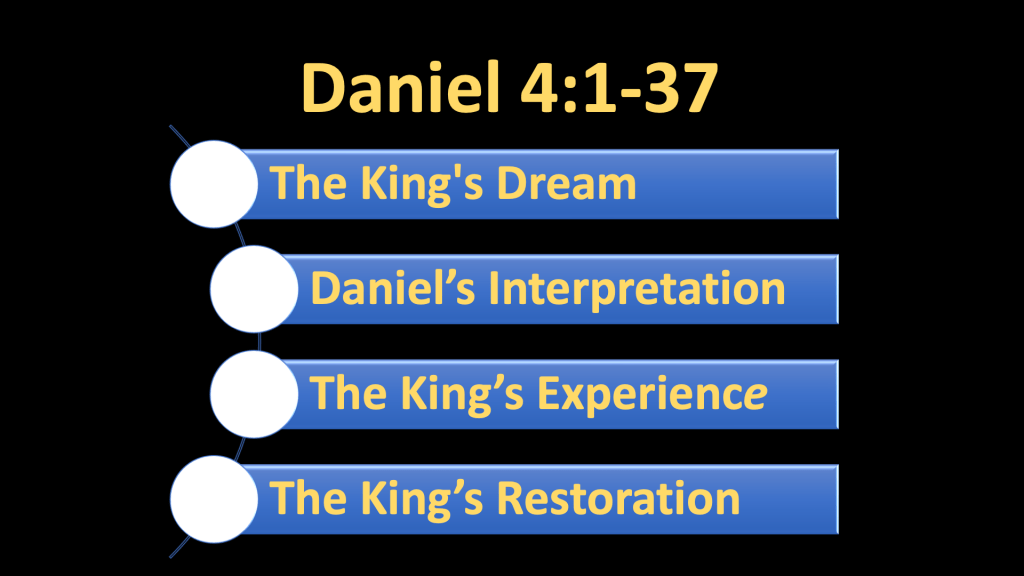
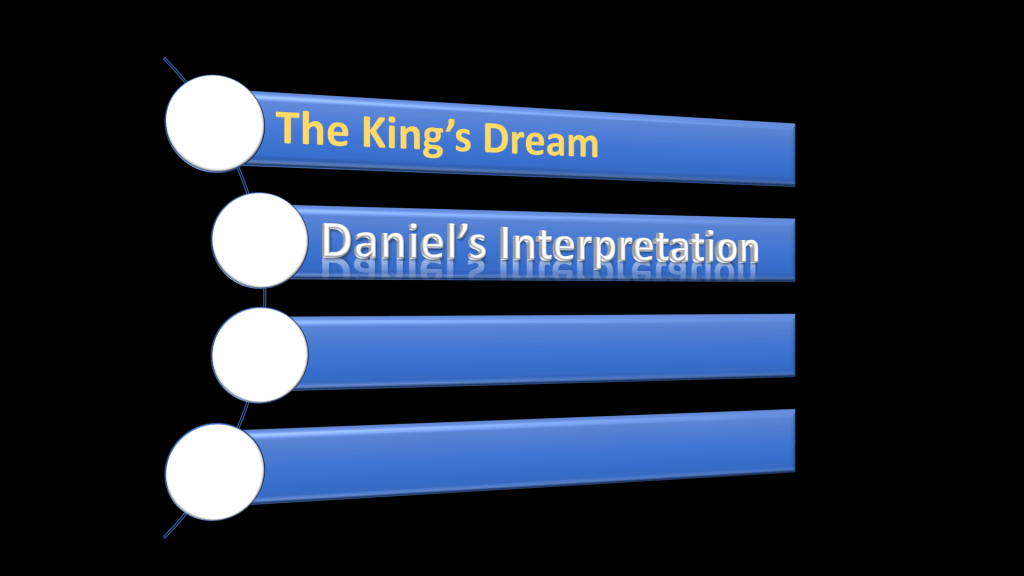
- The King’s Dream
- Daniel’s Interpretation
- The King’s Experience
- The King’s Restoration & Proclamation
THE MESSAGE
The King’s Proclamation (4:1-3)
Read Daniel 4:1-3. Nebuchadnezzar speaks as an emperor over many conquered nations.
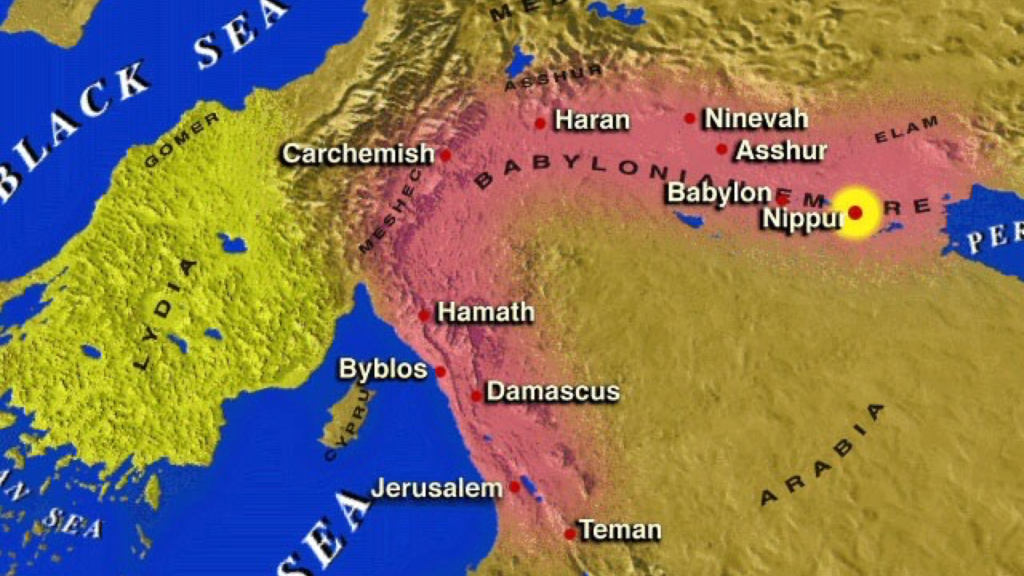
An edict from the king could be good, or bad, for his subjects. It’s like the publishing of a U.S. Supreme Court decision in this country. In this case, it is unusually good starting off with a proclamation of “peace!” It is followed by an unusual statement by a sovereign—the Most High God’s kingdom is everlasting. (4:3). Whether or not Nebuchadnezzar was a monotheist, his statement shows an understanding that there is a someone who’s rule is above and beyond him.
When a person with power over others understands that his or her position is not absolute, “peace” follows for others. We all know how the presence of someone can limit our excesses. We wouldn’t do certain things if we knew someone, we think highly of, might know about it.
I was the founding pastor of the Chapel in North Canton, Ohio.
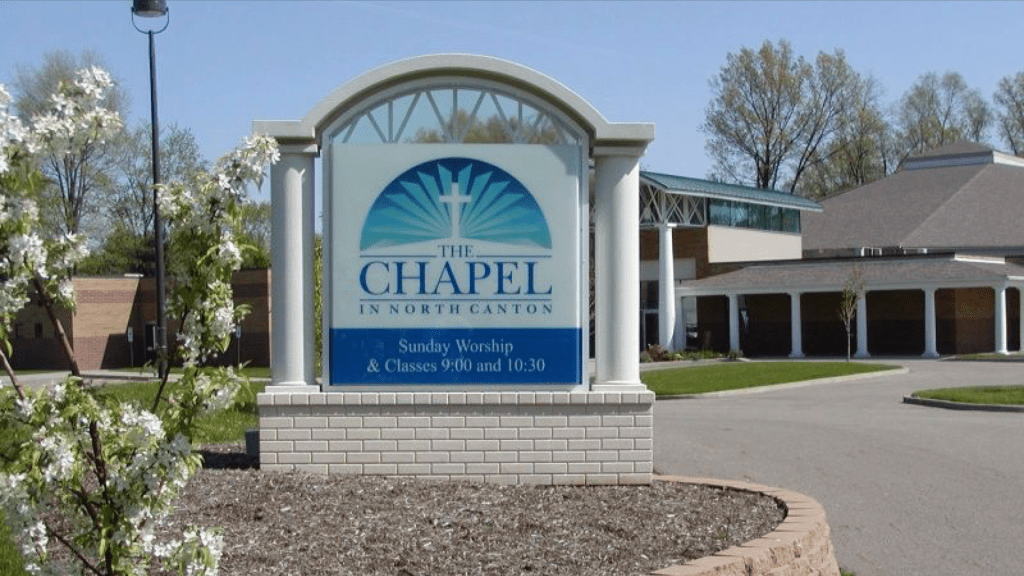
We came out of a larger church known as the Chapel in University Park in Akron, Ohio.

The Chapel is the church that sent me to seminary.
It was the church where I served as a summer intern in the middle of seminary, and then a one-year internship following seminary. When we started the Chapel in North Canton we met in a local YMCA on Sundays, and I shared office space with members who were insurance agents. For a while, it was a one-man-show with wonderful volunteers.
Late one evening, I was alone in the office when the telephone rang.

I was sure it was someone I knew—who else would call that late? When I was in a band, I knew someone who always answered the phone by saying: “What?” It was late, I was alone and tired, we had no such thing as caller ID, so I answered the phone by saying: “What?” On the other end of the line was Pastor David Burnham.
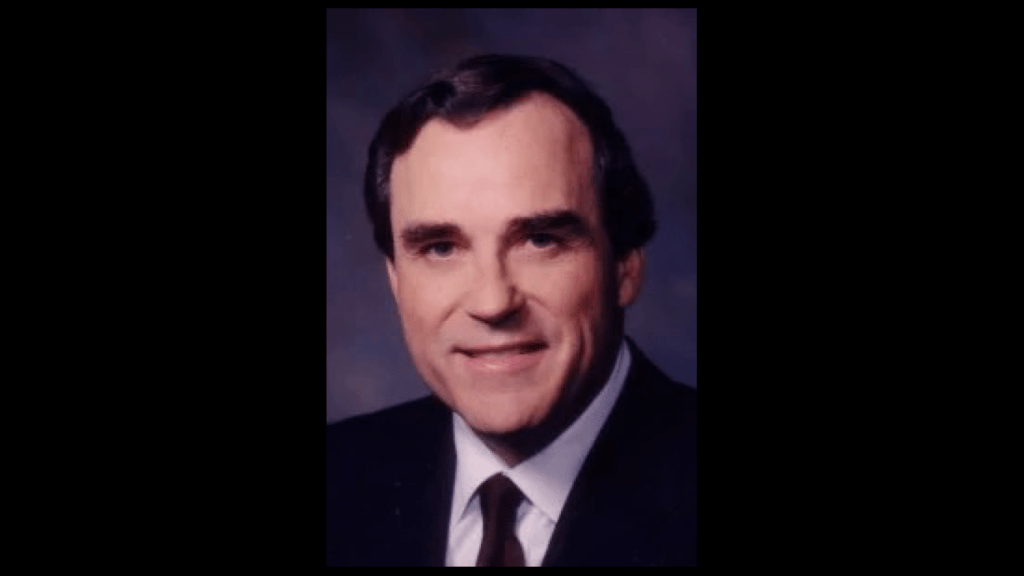
This was the one person that I looked up to more than anyone else on the planet. I was so humiliated. Had I known David Burnham was going to hear me answer the phone with “What?” I never would have said it!
There are certain things we would not do if we thought someone greater than us was watching. Nebuchadnezzar is saying in this proclamation that he knows there is a God Most High whose kingdom is greater in scope and time than his. This will bring peace to those who hear the proclamation.
The King’s Dream (4:4-18)
Read Daniel 4:4-9. We can all identify with having a dream that upsets us. But unless we have a skilled counselor who can help us understand it, we might just have to live with it until it wears off. Nebuchadnezzar is not in that situation. He calls in his religious scholars to help him interpret the dream, but they can’t do it. Then Daniel arrives. The narrator reminds us that Nebuchadnezzar changed his name from Daniel (God is judge) to Belteshazzar (“May Bel protect his life”)—Daniel, though important—chief of the magicians—is nevertheless a slave, named after one of the king’s gods.
Read Daniel 4:10-17. This dream is repeated three times in the narrative:
- 4:10-17;
- 4:20-26; and
- 4:31-33.
In Biblical parlance, if something happens once or twice, that could be a coincidence. However, if it happens three times, we know God is involved. The same thing happens in the telling of the conversion of the Gentile, Cornelius, in Acts 10—11. We are told of Cornelius’ dream, Cornelius tells Peter of his dream, and then Peter tells the religious leaders in Jerusalem of Cornelius’ dream and conversion. It’s as though he is saying, I couldn’t do anything about the conversion of these Gentiles. God made me do it!
Daniel will interpret the main images of the dream in the following verses, but there are some observations to make before we go further.
In non-canonical religious writings, Angels are often described as “Watchers.”
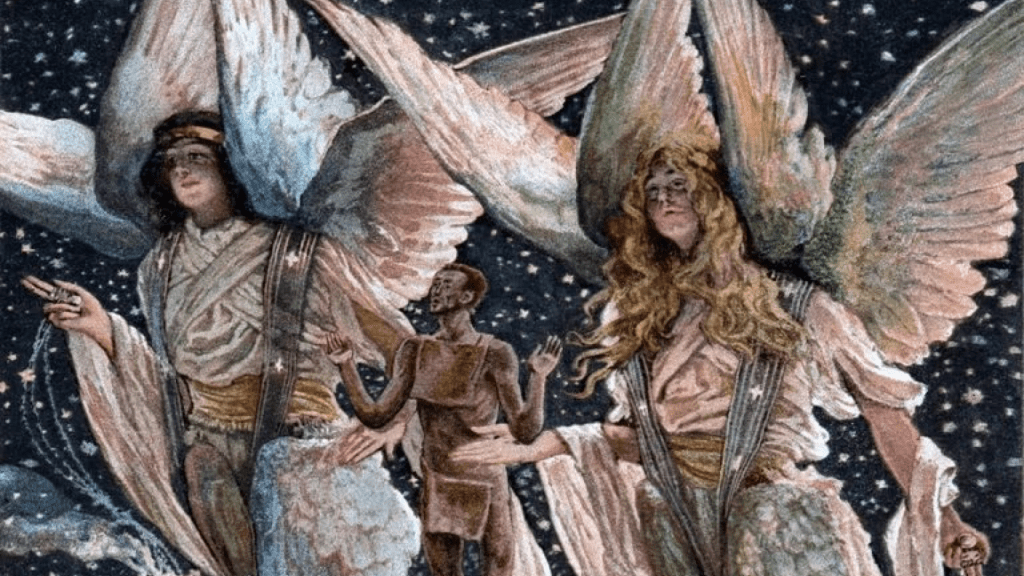
They serve God as his guardians of the world. We’re told in the New Testament, that children have guardian angles who are watching over them. So too, it seems that these “Watchers” are God’s messengers acting in space and time.
The purpose of the dream is also explicitly stated in 4:17:
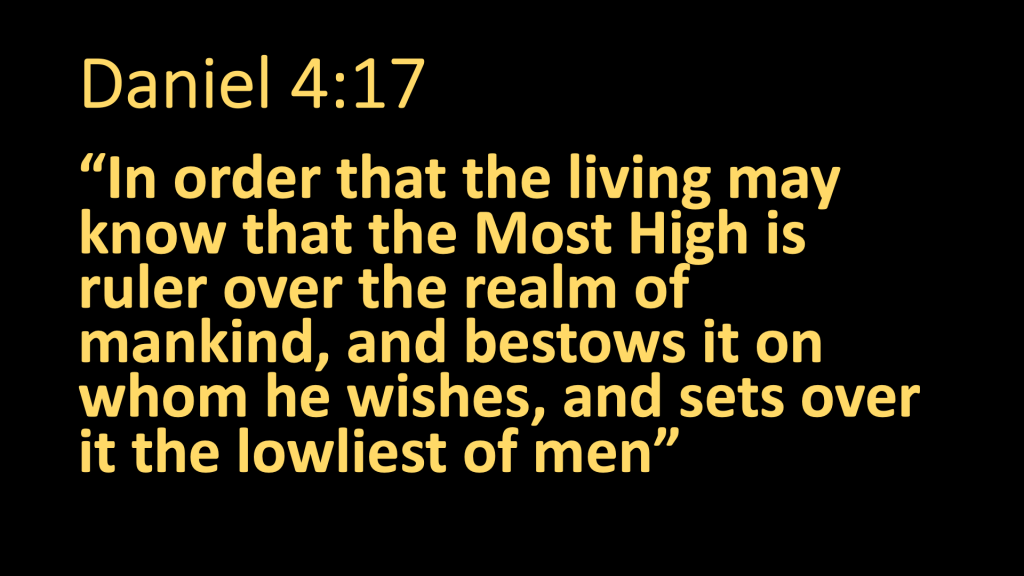
This was an important message to those being held captive in Babylon. This was an important message for those to know during the civil war. This is important for us to know whether Donald Trump or Joe Biden is president. Nothing is occurring beyond God’s sovereign design, and Guardian angels are watching!
Daniel’s Interpretation (4:19-27)
Read Daniel 4:19. Even thoughDaniel is a servant renamed Belteshazzar, he shows genuine concern and compassion for the king. He appears to immediately know the dark meaning of the dream but wishes that it would not occur to the King but to the King’s enemies. Our response might be different in the U.S. where we have an understandable history of resentment over a name change during slavery. Our response historically has been to change our name to Malcom “X”, or Cassius “X” (before he became Mohammad Ali). But Daniel responds differently—actually with compassion toward his captor. Perhaps, Daniel received Jeremiah’s word to the exiles in Chapter 29, stating:
“Thus says the Lord of hosts, he God of Israel, to all the exiles whom I have sent into exile from Jerusalem to Babylon. Build houses and live in them; and plant gardens and eat their produce. Take wives and become the fathers of sons and daughters and take wives for your sons and give your daughters to husbands, that they may bear sons and daughters; and multiply there and do not decrease. And seek the welfare of the city where I have sent you into exile, and pray to the Lord on its behalf; for in its welfare you will have welfare.”
Jeremiah 29:4-7. The exiles thought that they were going to return home and everything was going to be as it was once again. But Jeremiah had a harder message. He urged them to engage where they were—build homes, have children, seek the welfare of your captors. Are you kidding? Have you ever felt like God needs to do something fast because I’m running out of time? Well, you may be right—you may be running out of time. The hard question is whether I can trust Him with where I am rather than where I want to be? Am I willing to seek the welfare of the people to whom I have been exiled? Or am I only bitter over my unrealized expectation? Our expectations can rob us of life.
When I lived in Ohio, I had a five-mile loop I would run around my neighborhood. Often, at 5 a.m. I would come to a spot where I would be running, and two cars would pass in different directions. I would get so frustrated. What are the chances, I would think, that all three of us would wake up, get dressed and meet on this spot of the road at 5:00 a.m.? After a while, I finally realized that the chances were good because it happened almost every day. That changed how I felt about the encounter. So too, Jeremiah tells the exiles to manage their expectations and engaged in the land where they have been taken. Daniel seems to have adopted this way of thinking when he says, “My Lord, if only the dream applied to those who hate you, and its interpretation to your adversaries!” He cares about the King. I think we can only embrace and love the imperfect world that is ours when we know that God is acting in the world exactly where we are.
Read Daniel 4:20-27. In essence, Daniel speaks truth to power by saying the dream is all about you, O King. The point of the dream is for you to realize that The Most High God is only permitting you to rule as king. Therefore, stop acting like you are the sovereign over everyone’s life. Do righteousness by showing mercy to those who are most vulnerable—the poor. By doing so, you may escape years of pain.
I’ve seen a question on Facebook that asks: “What would you say, if you could, to your younger self?” Like most of us, I can think of a lot to say: “Who are you, David?” “Get help with your emotions.” “Get help with your perception of reality, David.” The problem is—Would my younger self hear it? Here, Nebuchadnezzar is given a word about his future and told that it all depends on how he thinks about himself in the present. Will he hear in any meaningful, sustainable way?
The King’s Experience 4:28-33
Read Daniel 4:28-30.
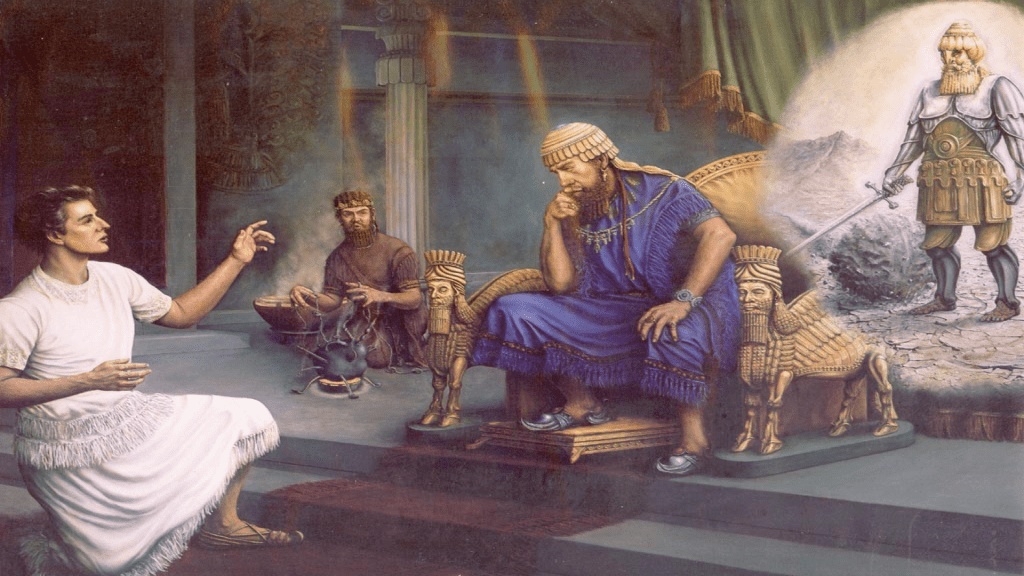
In this image of Daniel speaking to Nebuchadnezzar from Chapter 2, notice the King’s throne. Those winged bulls were captured when Nebuchadnezzar defeated Assyria. In reality, they were massive! Here I am standing next to them in London.
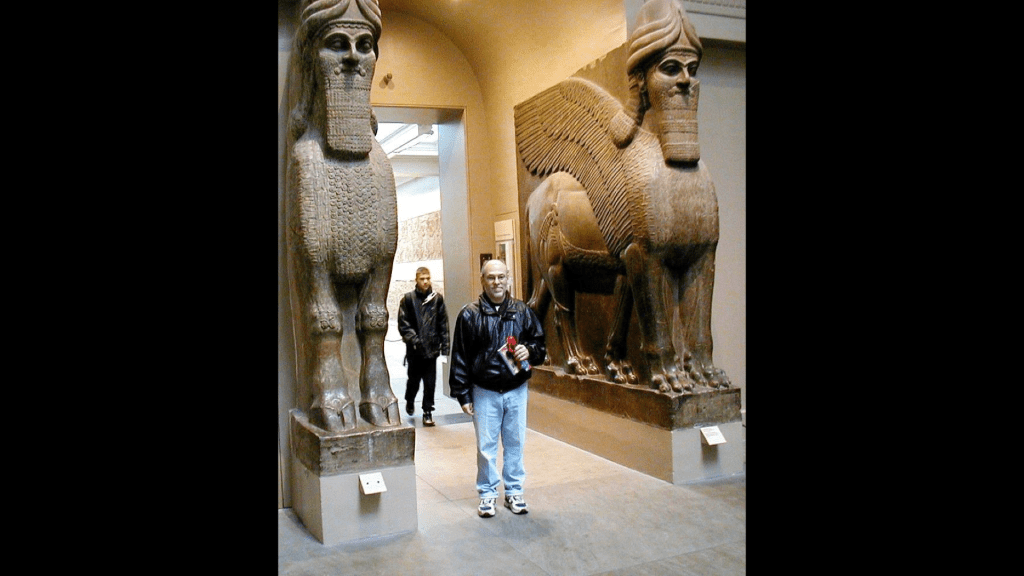
I’d always read about them, and then suddenly, there they were! Notice the feet of the one on the right—there are actually five of them! This was to give the illusion that the bull was walking. This is some of what Nebuchadnezzar was viewing in verses 29-30. Also, everything has to do with him: I myself have built, by the might of my power, for the glory of my majesty! He could not hear what Daniel told him, so the Most High God removed sovereignty from him.
We do not know, how long this lasted. It repeatedly says: “seven periods of time.” Seven days or weeks does not seem like a long time. Seven months would have been easy to say since the narrator says twelve months in 4:29. It may have been seven years. We do not know, but by the use of the number seven, it was a complete amount of time to do what was needed in Nebuchadnezzar’s heart.
I have often thought: “Lord, isn’t this exile long enough?” Am I going to survive this exile? And the fact is that I may not. Moses was forty years old when he was exiled into the desert for forty years before he was called to lead Israel into the land for another forty years. I’m not sure I have another forty years, Lord. But one thing seems to be certain—it will be long enough to do what the Lord needs to do in my/our heart!
The King’s Response 4:34-37
Read Daniel 4:34-37. The purpose of the vision was given in 4:17. Nebuchadnezzar gets it! Verse 35 contain some of the exact words given in his proclamation in 4:1-3. So, God restores him. Sometimes character can only be forged under pressure.
Conclusion
We know the stories about Abraham Lincoln. His family may not have been as poor as some said, but he had no formal education—none! In his youth, he had to work to borrow or purchase books. He had to teach himself grammar, mathematics, geometry, oration, law. His mother died at a young age, and he was raised by a stepmother. The first woman he loved suddenly died of illness. Three of his four sons died during his lifetime. He served a couple of terms in the state house of representatives, and one term in the U.S. House of Representatives, but lost two campaigns for the U.S. Senate. He only became the Republican candidate for President on their third ballot. God forged his character under pressure.
He would often write notes to himself, and then place them in a drawer in his desk. One such note concerned “God and the Civil War.” Parts of that note made it into his second inaugural address given a little more than a month before his assassination. Even though he was the President of the United States and the Commander-In-Chief of the Union forces, he showed humility before God as he discussed the struggle of both sides in the Civil War when he states:
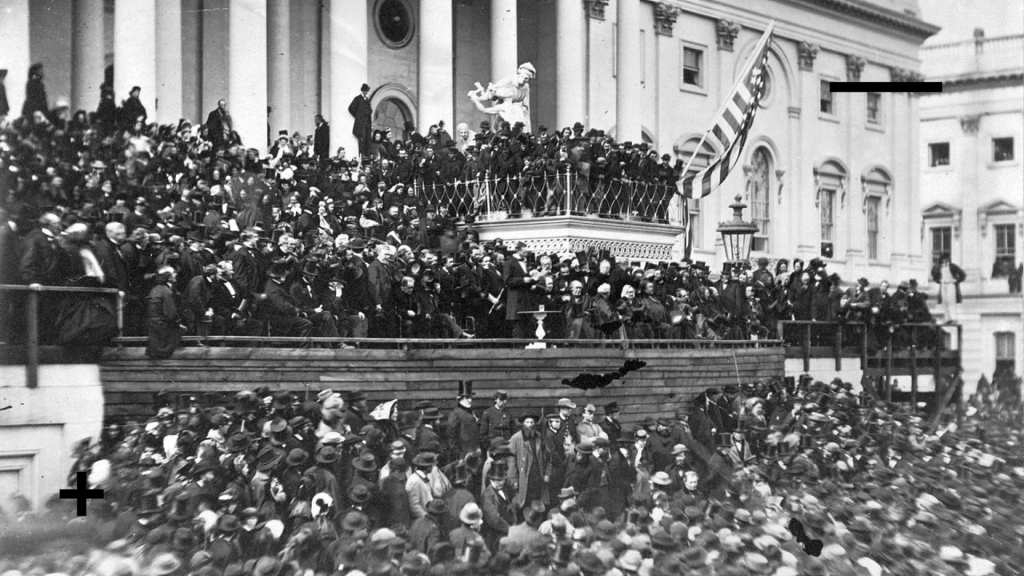
“Both read the same Bible and pray to the same God and each invokes His aid against the other. It may seem strange that any men should dare to ask a just God’s assistance in wringing their bread from the sweat of other men’s faces but let us judge not that we be not judged. The prayers of both could not be answered ~ that of neither has been answered fully. The Almighty has His own purposes. “Woe unto the world because of offenses for it must needs be that offenses come but woe to that man by whom the offense cometh.” If we shall suppose that American slavery is one of those offenses which in the providence of God must needs come but which having continued through His appointed time He now wills to remove and that He gives to both North and South this terrible war as the woe due to those by whom the offense came, shall we discern therein any departure from those divine attributes which the believers in a living God always ascribe to Him. Fondly do we hope ~ fervently do we pray ~ that this mighty scourge of war may speedily pass away. Yet, if God wills that it continue until all the wealth piled by the bondsman’s two hundred and fifty years of unrequited toil shall be sunk and until every drop of blood drawn with the lash shall be paid by another drawn with the sword, as was said three thousand years ago, so still it must be said ‘the judgments of the Lord are true and righteous altogether.’

Who’s really in charge?
of Babylon?
of Ethiopa?
of the United States?
of my life?
of your life?
Now to Him who is able to keep you from stumbling
and to make you stand in the presence of his glory blameless with great joy,
to the only God our savior, through Jesus Christ our Lord
be glory, majesty, dominion, and authority
before all time, this day in space and time, and forever more.
Amen.
(Jude 24-25)
 All Things Biblical
Leave a comment